
Property Type
Industrial Replacement Properties
Understand how industrial assets fit within IRS identification rules, debt replacement math, and lender expectations for Denver, CO exchanges.
Overview
Industrial in Denver 1031 Exchanges
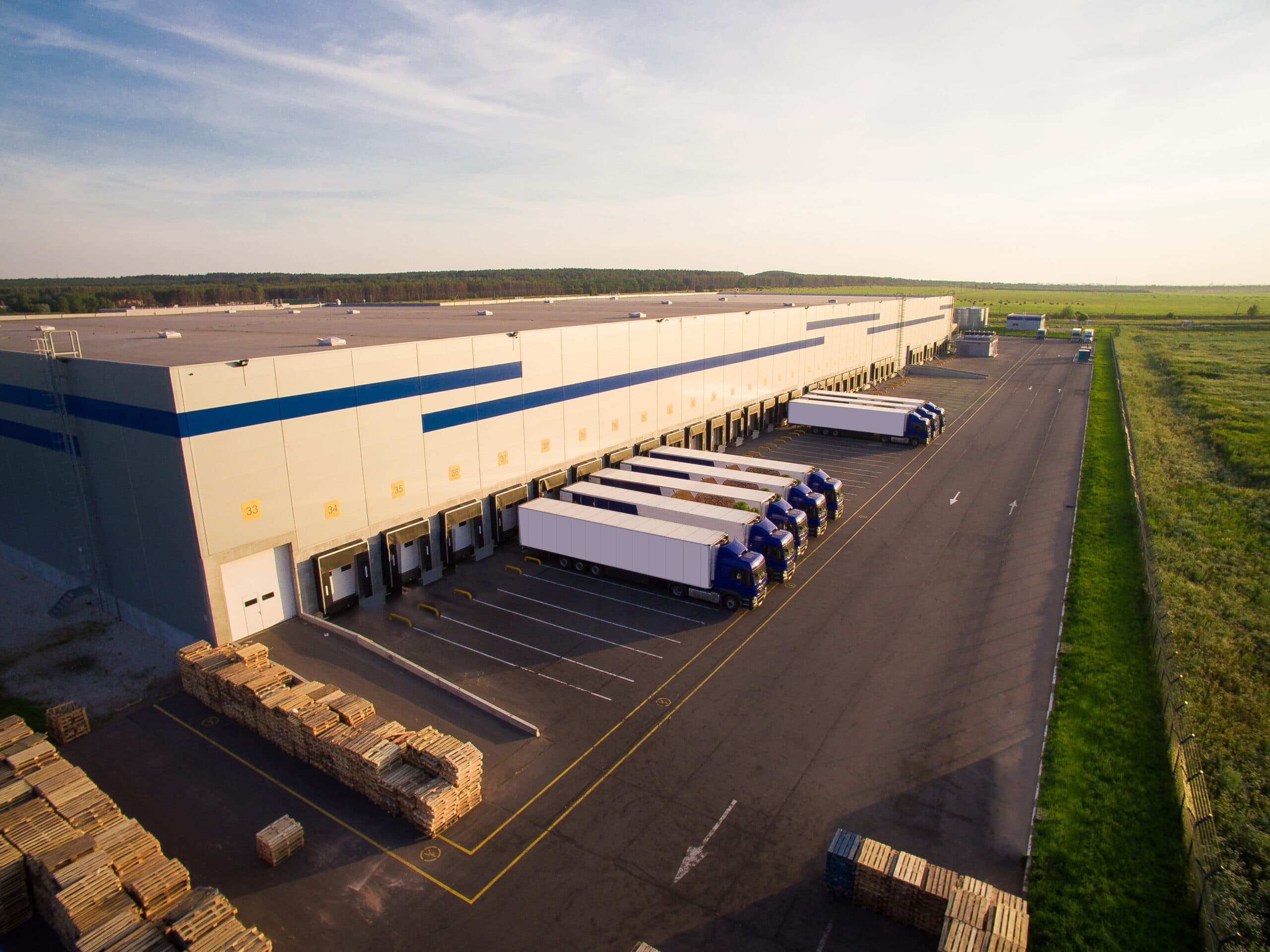
Industrial properties represent a growing segment of Denver, CO 1031 exchange replacement assets. Warehouses, distribution centers, manufacturing facilities, and flex industrial buildings offer investors long term lease structures, creditworthy tenants, and lower management intensity compared to other commercial property types.
The Denver metro industrial market benefits from geographic centrality, interstate highway access, and proximity to Denver International Airport. Investors exchanging into industrial replacements can target assets along the Interstate 70 and Interstate 25 corridors where logistics and distribution demand continues to grow.
Our coordination team evaluates industrial replacement candidates by reviewing lease structures, tenant credit ratings, building specifications, and environmental considerations. We prepare identification packages that address clear height, dock door count, power capacity, and zoning compliance to ensure replacement assets meet both exchange requirements and operational standards.
Investment Insights
Why Investors Choose Industrial
Industrial replacement properties offer Denver investors specific advantages within 1031 exchange structures.
Triple net lease structures minimize landlord operating expenses and management burden.
Credit tenant leases from logistics, distribution, and manufacturing companies provide income stability.
Long term lease durations of seven to fifteen years reduce turnover risk and re-leasing costs.
Denver metro industrial vacancy rates remain historically low with continued absorption from ecommerce growth.
Due Diligence
What We Review for Industrial
Phase one environmental site assessment to evaluate contamination risk from prior industrial use.
Roof and structural inspection covering clear height, column spacing, and load bearing capacity.
Tenant credit analysis including financial statements, credit ratings, and lease guarantor review.
Zoning and permitted use verification to confirm replacement property operational compatibility.
Utility infrastructure review covering electrical capacity, natural gas, water, and sewer connections.
Example Project
Industrial Exchange Coordination
Illustrative example of the type of engagement we coordinate
Situation
Denver investor selling a retail strip center with two point five million in proceeds wants to exchange into a single tenant industrial warehouse with a credit tenant on a ten year lease. Investor prioritizes passive income and minimal management.
Our Approach
We source nationwide industrial listings filtered by tenant credit rating, lease duration, and price range. We compile tenant financial analysis, building inspection summaries, and environmental assessment results. We coordinate identification letters and manage lender preflight for industrial financing.
Expected Outcome
Investor identifies three industrial replacement properties with investment grade tenants on long term leases. Environmental reviews are completed before identification deadlines. Replacement property closing is coordinated within the one hundred eighty day window with full debt replacement to avoid boot.
Available Support
Related Services
Property Paths
Industrial Property Identification
Warehouse, distribution, and flex space replacement properties with tenant credit and lease term review.
Guides
Industrial Real Estate Investing Explained
Why warehouse, distribution, and flex space demand has grown, how industrial leases are structured, and how industrial property functions as a 1031 exchange replacement.
Coverage Areas
Popular Markets for Industrial
Common Questions
Industrial FAQ
What environmental risks should I consider when exchanging into industrial property?
Phase one environmental site assessments are standard for industrial acquisitions. Prior manufacturing, chemical storage, or fuel handling operations may create contamination liability. We coordinate environmental review early in the identification process so Denver investors can evaluate risk before submitting identification letters.
How does triple net lease structure benefit 1031 exchange investors?
Triple net leases require tenants to pay property taxes, insurance, and maintenance costs in addition to base rent. This reduces landlord operating expenses and creates more predictable net income for exchange investors seeking passive replacement assets.
Can I exchange a retail property into an industrial warehouse?
Yes. The IRS treats all investment real property as like kind regardless of property type. A retail shopping center can be exchanged into an industrial warehouse, distribution center, or any other real property held for investment. Our Denver team coordinates the transition.
What are typical cap rates for Denver metro industrial properties?
Denver metro industrial cap rates vary by location, tenant credit, and lease term. Institutional quality assets with credit tenants on long term leases typically trade at lower cap rates while value add opportunities with shorter lease terms command higher yields. We provide market comparable analysis to help investors evaluate replacement options.
Start a Industrial Exchange Plan
We can review current debt, lender hurdles, and intermediary options for industrial replacements.
Get Started
Request Underwriting Support
Mention the property type so we can prefill lender-ready materials.
Ready to Start Your 1031 Exchange?
Contact our Denver-based team for expert guidance on your Colorado 1031 exchange.