

City · CO
1031 Exchange in Denver, Colorado
Qualified intermediary coordination, replacement property identification, and IRS deadline management for Denver, CO investors.
Denver, CO Market
1031 Exchange Services in Denver, Colorado
LoDo and RiNo: Adaptive-Reuse Investment
Lower Downtown's landmark-protected brick warehouses trade at a premium because so few can be added to the supply — historic overlay review limits teardown and new construction, which pushes replacement-property buyers toward the River North Art District instead, where former rail-served industrial buildings continue converting into creative office, brewery, and loft space. Investors exchanging out of a fully depreciated LoDo asset often step into RiNo because the improvement basis resets and the neighborhood still has unconverted industrial stock left to reposition.
The two districts sit blocks apart but behave like different asset classes for exchange purposes. LoDo product is scarce, protected, and largely finished; RiNo still has raw shells trading at a meaningful discount to their post-conversion value, which appeals to exchangers with enough time and construction appetite to add basis through renovation rather than buying something already stabilized.
The I-25/I-70 Interchange Industrial Belt
Globeville and Elyria-Swansea sit at the intersection of I-25 and I-70, giving rail- and highway-served warehouse space direct access to the entire Front Range. The National Western Center redevelopment nearby has pulled land values up across the corridor, and last-mile distribution operators competing for space here keep triple-net industrial cap rates tight. It is one of the few submarkets in the city where a 1031 buyer can still find functional dock-high warehouse product under an acre.
Because this corridor sits so close to downtown, it also draws interest from investors who want industrial income without giving up an urban Denver address — a combination that's increasingly hard to find as other close-in industrial pockets convert to residential or mixed-use. We watch this belt closely for exchangers who want that specific pairing of functional warehouse space and central location.
Golden Triangle Office-to-Residential Conversion
Office towers ringing Civic Center Park have carried elevated vacancy since 2020, and several are now mid-conversion to multifamily or hospitality use. For an investor exiting an aging single-tenant office building, a 1031 into one of these residential conversions swaps a leasing-risk asset for stabilized apartment income without leaving the urban core — though timing matters, since conversion projects rarely close on the identification window an exchange needs.
We typically structure these exchanges with a completed or near-complete conversion as the primary identification target and a stabilized, already-leased Denver multifamily building as backup, so a construction delay on the conversion doesn't put the entire exchange at risk of failing the 180-day deadline.
Citywide Multifamily Absorption
Denver's steady net in-migration keeps class B and C apartment absorption positive even when new luxury deliveries soften rent growth at the top of the market. Investors selling a single walk-up building frequently use the exchange to move into a DST or fractional interest spanning several Denver submarkets, trading concentration risk in one building for diversified metro-wide multifamily exposure.
That diversification also reduces the operational burden that comes with self-managing a single Denver property — a consideration that matters more to exchangers approaching retirement than the marginal cap-rate difference between one Denver neighborhood and another.
1031 Planning Inside Denver's Core
Properties inside historic districts such as LoDo or parts of Curtis Park carry design-review restrictions that affect improvement basis and future capital expenditure, so we walk Denver-core exchangers through how those overlays interact with depreciation schedules before they identify a replacement. The city's recent zoning code update also opened several corridors to denser mixed-use redevelopment, which has created new replacement-property basis options that didn't exist a few years ago.
We also flag Denver's specific ownership transfer tax and local recording requirements early in the process, since out-of-state exchangers coming from states without similar municipal-level transfer taxes are sometimes surprised by the added closing cost if it isn't budgeted for from the start.
Exchange Requirements
Key 1031 Deadlines for Denver Investors
Identification Deadline
Denver investors must formally identify up to three replacement properties within 45 calendar days of the relinquished property sale closing.
Closing Deadline
All replacement property acquisitions for Denver exchanges must close within 180 calendar days. Missing this deadline disqualifies the exchange.
Tax Deferral
A properly structured 1031 exchange defers 100% of federal capital gains and depreciation recapture tax for Denver, CO investors.
Available Services
1031 Exchange Services for Denver, CO
Property sourcing, underwriting, and exchange coordination paths Denver investors most frequently request.
Property Paths
Replacement Property Identification
Nationwide property sourcing aligned with forty five day identification rules and investor criteria.
Learn moreProperty Paths
Industrial Property Identification
Warehouse, distribution, and flex space replacement properties with tenant credit and lease term review.
Learn moreProperty Paths
Multifamily Replacement Sourcing
Apartment and multifamily asset identification across major markets with rent roll analysis and cap rate evaluation.
Learn moreProperty Paths
NNN and STNL Property Sourcing
Triple net lease and single tenant net lease replacement property identification featuring corporate-guaranteed tenants and hands-off income structures.
Learn moreProperty Paths
Medical Office Replacement Sourcing
Healthcare real estate identification with provider credit review and lease stability assessment.
Learn moreProperty Paths
Self Storage Replacement Sourcing
Self storage facility identification with occupancy trends and market demand analysis.
Learn moreReplacement Property Options
1031 Exchange Property Types in Denver
Denver, CO investors exchange into these property types to defer capital gains and reposition their portfolios.
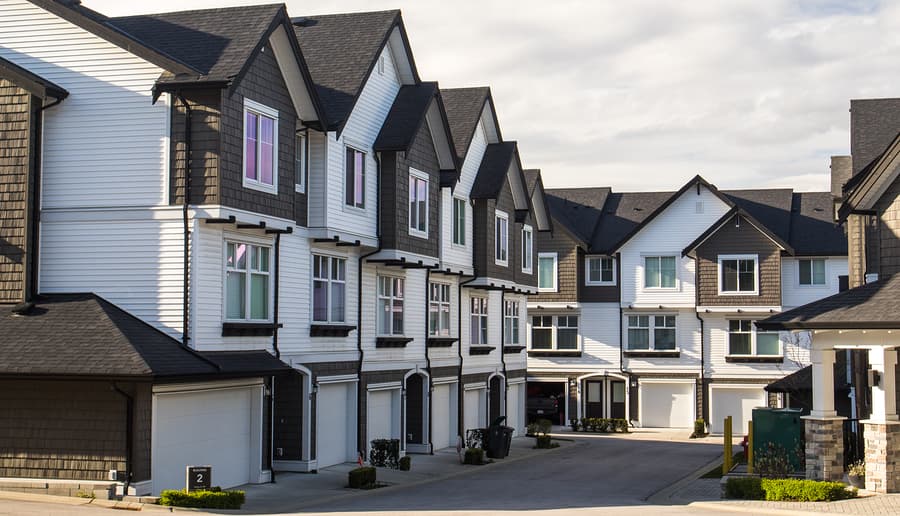
Multifamily
Explore multifamily replacement options for Denver investors
View Multifamily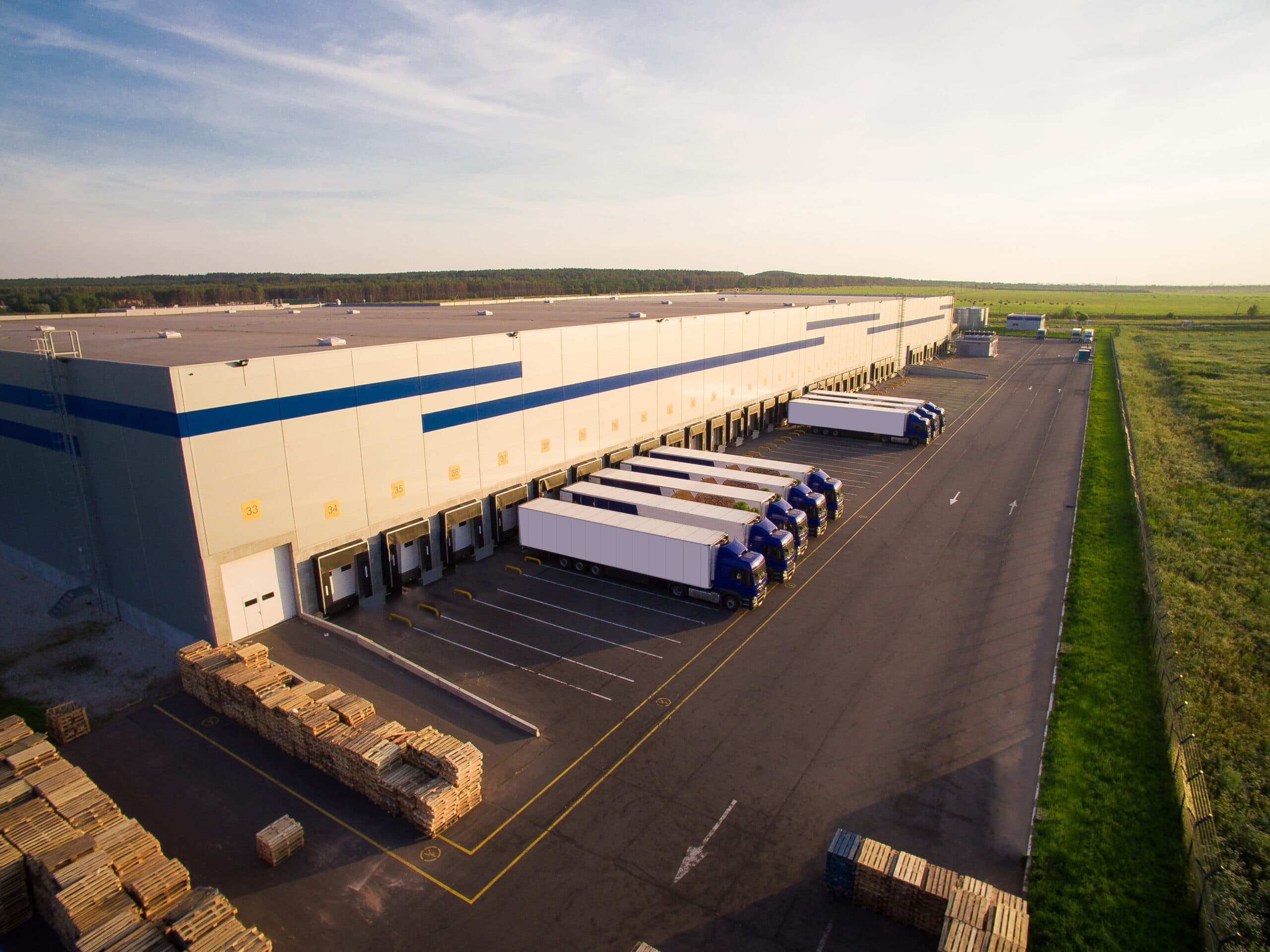
Industrial
Explore industrial replacement options for Denver investors
View Industrial
Retail
Explore retail replacement options for Denver investors
View Retail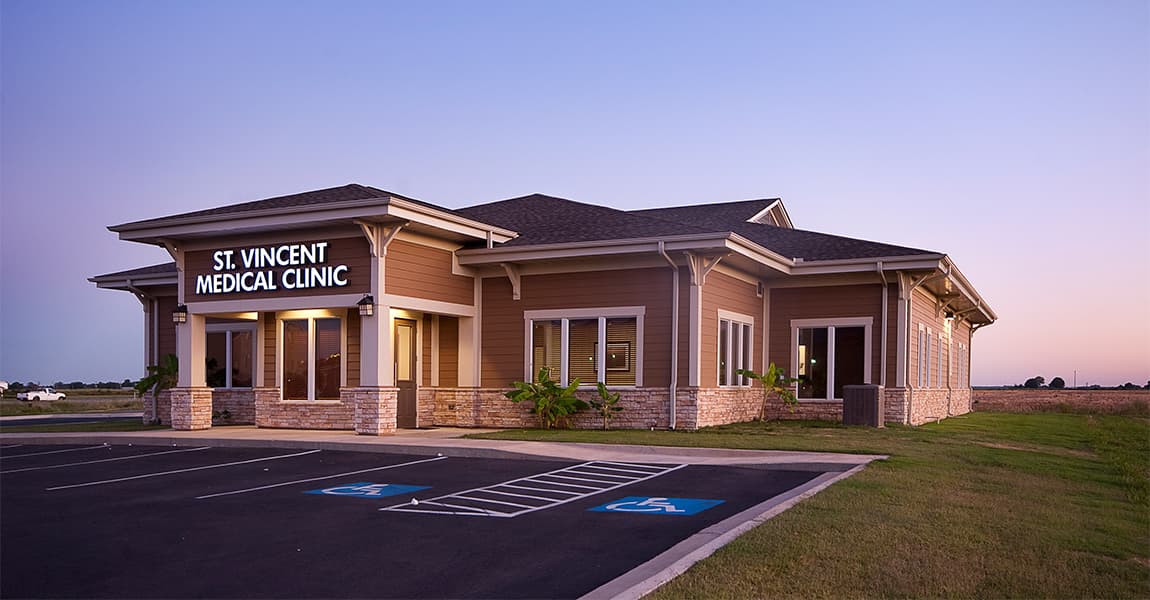
Medical Office
Explore medical office replacement options for Denver investors
View Medical Office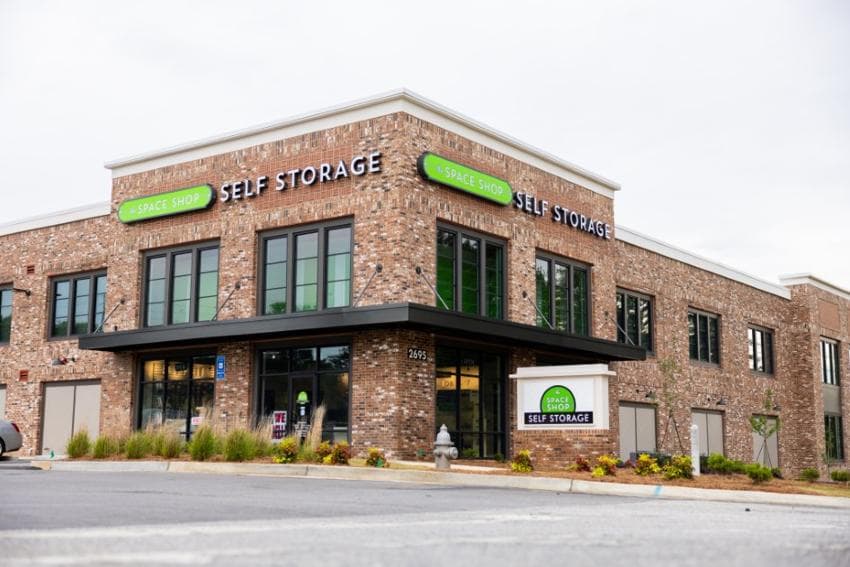
Self Storage
Explore self storage replacement options for Denver investors
View Self Storage
NNN
Explore nnn replacement options for Denver investors
View NNNCommon Questions
Denver, CO 1031 Exchange FAQ
Does a historic overlay in LoDo affect how I depreciate a replacement property?
Yes. Landmark-designated buildings in Lower Downtown carry design-review restrictions on exterior alterations, which limits what portion of a renovation can be capitalized as new improvement basis. We flag this during due diligence so the depreciation schedule you inherit matches what you can actually build.
Is RiNo still a good 1031 target for industrial-to-creative-office exchanges?
It remains one of the few Denver submarkets with unconverted industrial stock left to reposition, though inventory has thinned as more buildings convert. We track which RiNo blocks still have raw warehouse space versus finished creative office so your 45-day identification list reflects what's actually available.
Can I 1031 exchange out of a Denver office building into a residential conversion project?
Yes, but conversion timelines rarely align cleanly with the 180-day closing deadline, so we usually pair a conversion opportunity with a stabilized backup property on your identification list. That protects the exchange if the conversion isn't ready to close in time.
What Denver submarkets have the tightest industrial vacancy right now?
The I-25/I-70 interchange near Globeville and Elyria-Swansea consistently posts some of the lowest industrial vacancy in the metro because of its rail and highway access. Replacement properties there tend to move fast, so we prioritize early identification for exchangers targeting this corridor.
Should I use a DST for a Denver multifamily exchange instead of buying a single building?
It depends on how much active management you want. A DST spreads your basis across multiple Denver-area apartment assets and removes landlord duties, which suits investors exiting a self-managed walk-up who want passive, diversified exposure rather than another single building to run.
Nearby Service Areas
Other Colorado 1031 Exchange Locations




Start Your Denver 1031 Exchange
Call or message to confirm relinquished sale status, lender needs, and intermediary fit. We keep every milestone visible until the replacement closes.
Get Started
Plan Your Denver Exchange
The form routes to an encrypted intake workflow. We respond within one business day with next steps for your Denver 1031 exchange.
Ready to Start Your 1031 Exchange?
Contact our Denver-based team for expert guidance on your Colorado 1031 exchange.